What is Eto? 干支の意味と由来
In Japan, we have several ways to express a year: Koki, Imperial period, Japanese lunar calendar, CE, and Eto(干支).
干支 is a compound of “干” and “支.”
“干” is an abbreviation of “十干(Jikkan)” and “支” is an abbreviation of “十二支(Jyunishi).”
That is, Eto is Jikkan Jyunishi (十干十二支)exactly.
Eto is a calendar invented in ancient China and was imported to Japan in the 6th century. Accordingly, we invented our original calendar (暦 koyoimi) in 604.
Today, we omit Jikkan and use Jyunishi only to mention a year. In many cases, Eto means Jyunishi actually.
Eto (Jyunishi) animals and their meanings 干支の一覧とそれぞれの意味
Introduction 概説
As I tell you later, Jyunishi originally stood for a process of cultivation but they are described as animals derived from the Kanji of them.
子(Ne)=ねずみ Mouse
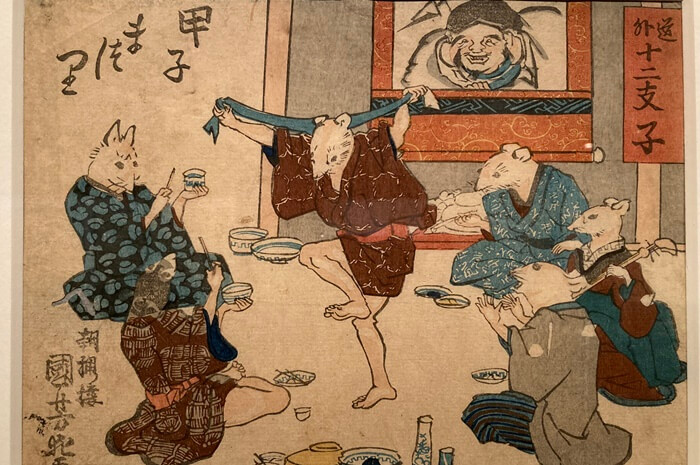
Original Ne is 孳(Shi). 子 is also pronounced as “Shi” and “Ne.” Shi is one of a process of cultivation but is is hard to understand. For the purpose of easy understanding, it was replaced with mouse.
Mouse is a prolific mammal and implies prosperity. It is usually a Kenzoku(kind of medium between deity and us) of Daikokuten.
丑(Ushi)=うし(Ox)
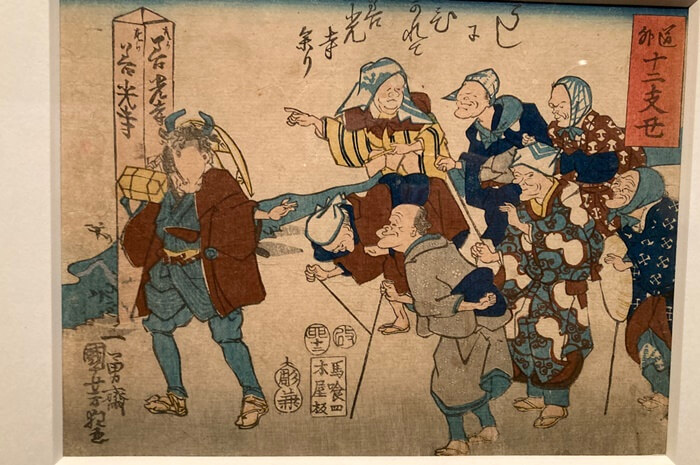
Original Ushi is 紐(Chu). The Kanji resembles 丑(OX). The symbol of toughness.
寅(Tora)=とら(Tiger)
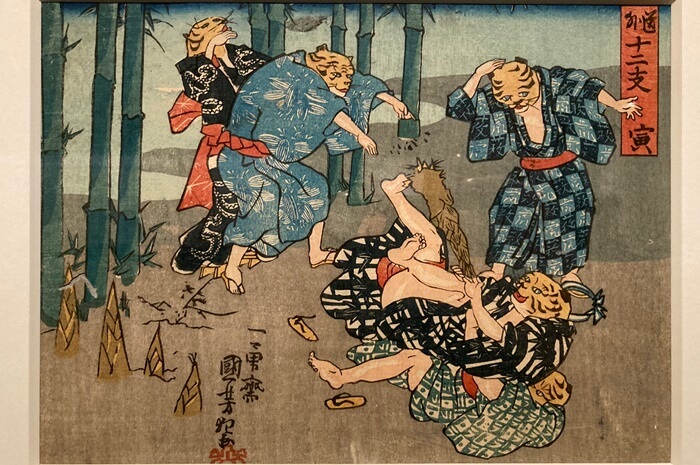
Original Tora is 螾(In). The Kanji resembles 寅(Tiger). The symbol of bravery.
卯(U)=うさぎ(Rabbit)
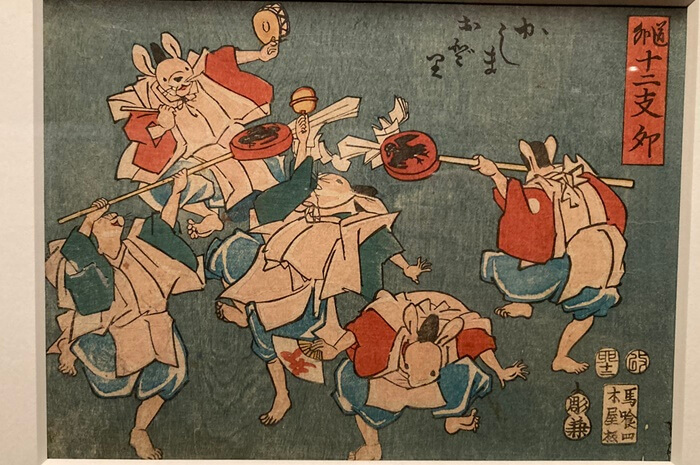
Original U is 冒(Bo).卯 is also pronounced as “U.” Rabbits lives in a herd and it is believed that they bring us prosperity in family affair.
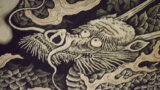
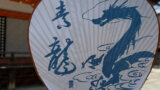
辰(Tatsu)=龍(Dragon)
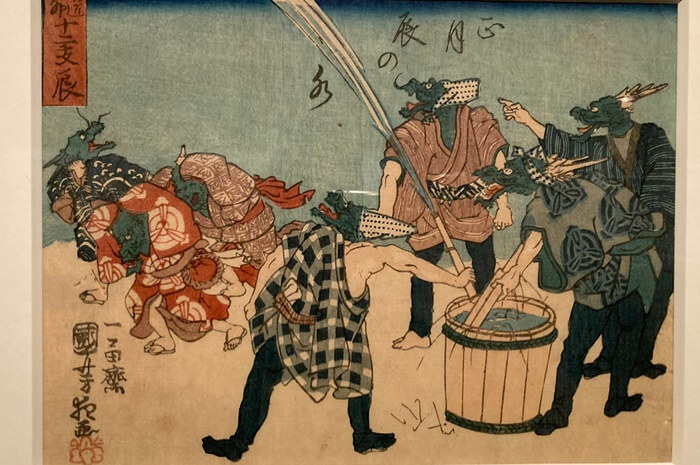
Original Tatsu is 振(Shin).龍 (Dragon) is also pronounced as “Shin.” In Japan, dragon is a deity of water. It also implies power.
已=へび
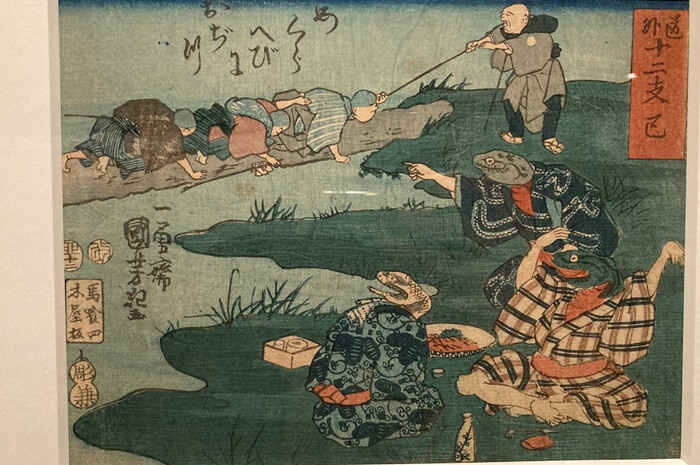
Original Mi is 已(I).卯 is also pronounced as “U.” For the purpose of easy understanding, it was replaced with snake. It is a Kenzoku of Benzaiten and brings us a plenty of money.
午(Uma)=うま(Horse)
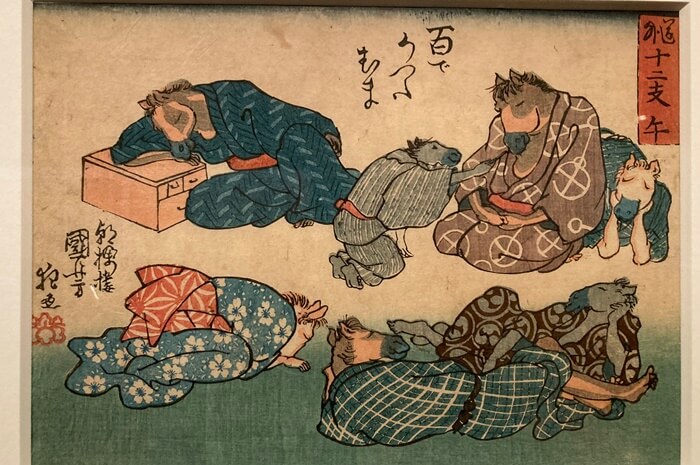
Original Uma is 忤(Go). For the purpose of easy understanding, it was replaced with horse. It brings us a good cultivation and health.
未(Hitsuji)=ひつじ (Sheep)
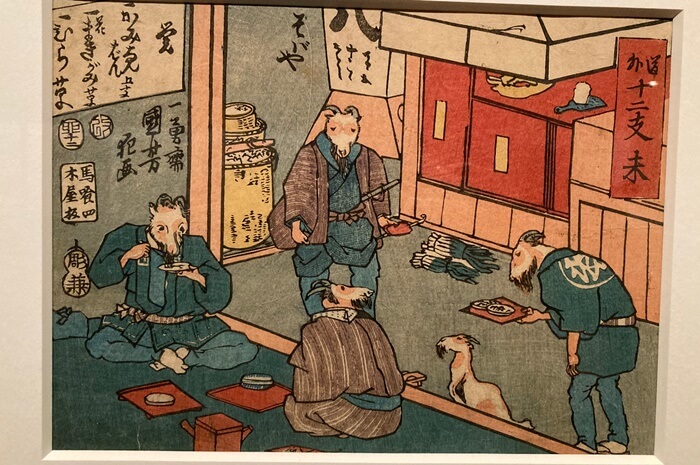
Original Hitsuji is 昧(Mai). For the purpose of easy understanding, it was replaced with Sheep. By the 19th century, we didn’t tell sheep from goat exactly. I brings us peace.
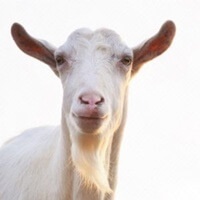
ME
申(Saru)=さる(Monkey)
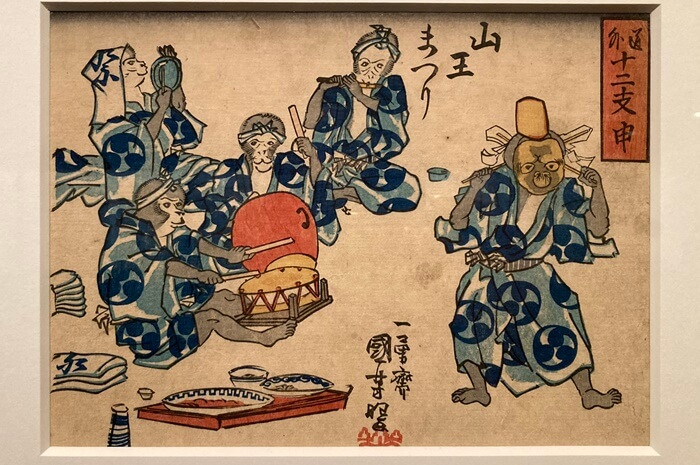
Original Saru is 呻(Shin). The Kanji resembles 申(Monkey). The symbol of wisdom.
酉(Tori)=とり(Rooster)
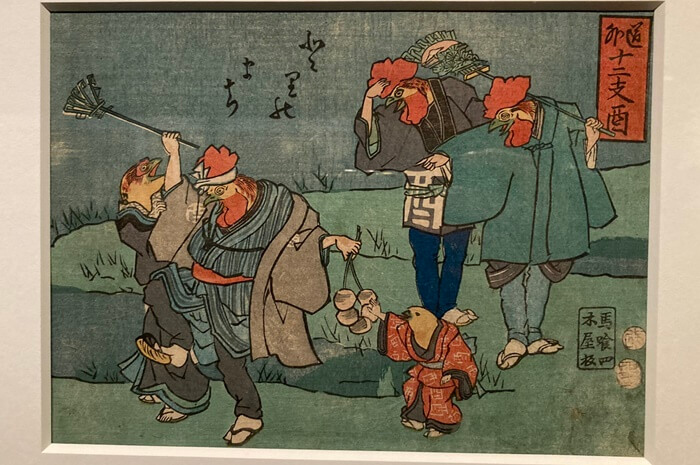
Original Tori is 緧(Shuku). For the purpose of easy understanding, it was replaced with Rooster. I brings us prosperity in business.
戌(Inu)=いぬ (Dog)
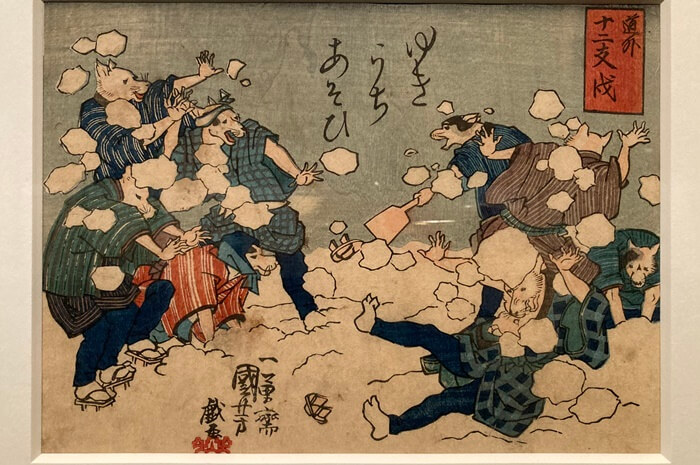
Original Inu is 滅(Metsu). For the purpose of easy understanding, it was replaced with Dog. The symbol of royalty and easy delivery.
亥(I)=いのしし(Boar)
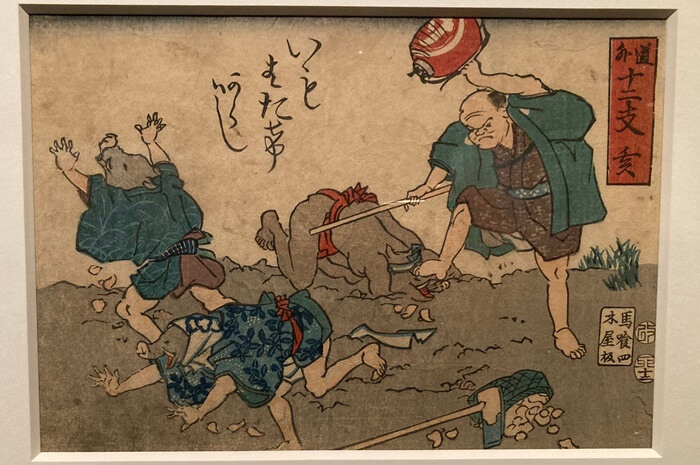
Original I is 閡(Gai). For the purpose of easy understanding, it was replaced with Boar. The symbol of health and easy delivery.
Celebrating a new year with Eto
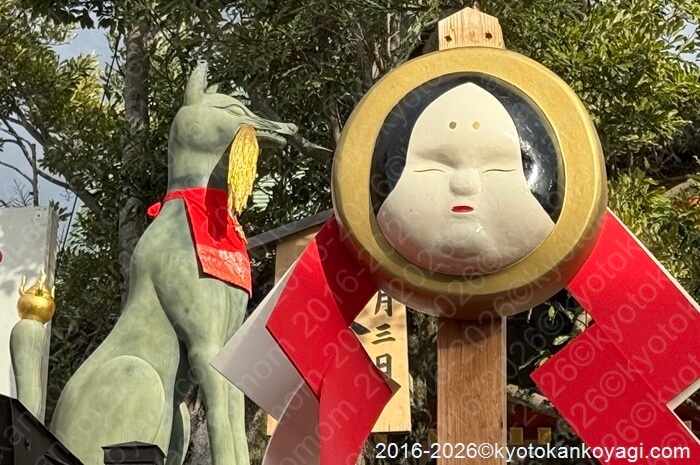
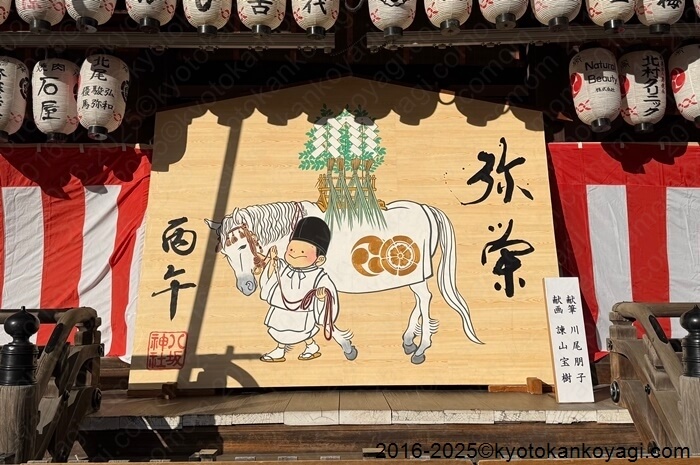
Around new year’s eve, we usually find large Ema in Shinto shrines and Buddhis temples. As Hatsumode, we love to pay a visit to Shinto shrines and Buddhist temples that have something to do with the Eto of the year in order to have some Goriyaku (Kind of bllessings).
2026 is Hinoe Uma. Omitting Hinoe, this year is a year of Uma (Horse). Shinto shrines used to keep Shimme horse but there only about 10 shrines inherit this custom. In Kyoto, Kamigamo shrine has Shinme horse named Koyama-go. During Sanganichi (1/1-1/3), countless people visit there to see him.
And they also admire Hakuba/Aouma Soran Shinji ritual for more Goriyaku.
十干 Jikkan
Introduction
Jikkan consists of 甲(Ko), 乙(Otsu), 丙(Hei), 丁(Tei), 戊(Bo), 己(Ki), 庚(Koh), 辛(Shin), 壬(Jin), and 揆(ki). These words were used in order to express days in ancient China over 2,000 years ago. They originally stood for a process of cultivation. Later, Inyo Gogyo theory influenced them.
Inyo Gogyo theory is divided into Inyo(陰陽) theory and Gogyo(五行) theory.
- Inyo(陰陽) theory means “Shady place and Sunny place.” It is a dualism of Yin(Shady) and Yang(Sunny). These elements interact each other.
- Gogyo(五行) is so-called “Five Elements Theory” in which every thing is made of 木(Wood)/火(Fire)/土(Earth)/金(Gold)/水(Water).
As a result, in Inyo Gogyo theory, everything depends on a balance of Yin and Yang and mutual peace or destruction of the five elements.
Jikkan and Inyo theory 十干と陰陽説
Jikkan is divided into Yokan(陽干 Sunny) and Inkan (陰干 Shady). Yokan means “elder brother” and Inkan means “little brother.”
- Yokan 陽干・・・甲(Ko)、丙(hei)、戊(Bo)、庚(Ko)、壬(Jin)
- Inkan 陰干・・・乙(Otsu)、丁(Tei)、己(Ki)、辛(Shin)、癸(Ki)
Jikkan and Gogyo theory 十干と五行説
| 十干Jikkan | 甲(KO) | 乙(OTSU) | 丙(HEI) | 丁(TEI) | 戊(BO) | 巳(KI) |
| Meaning | Elder brother of wood | Little brother of Wood | Elder brother of Fire | Little brother of Fire | Elder brother of Earth | Little brother of Earth |
| 五行GOGYO | 木(WOOD) | 火(FIRE) | 土(EARTH) | |||
| 五方GOHO | 東(EAST) | 南(SOUTH) | 中央(CENTER) | |||
| 四時SHIJI | 春(SPRING) | 夏(SUMMER) | (土用) | |||
| 五色GOSHIKI | 青(BLUE) | 朱(RED) | 黄(YELLOW) | |||
| 四神SHIJIN | 青龍(SEIRYU) | 朱雀(SUZAKU) | (勾陳) | |||
| 十干Jikkan | 庚(KO) | 辛(SIN) | 壬(JIN) | 癸(KI) |
| Meaning | Elder brother of Gold | Little brother of Gold | Elder brother of Water | Little brother of Water |
| 五行GOGYO | 金(GOLD) | 水(WATER) | ||
| 五方GOHO | 西(WEST) | 北(NORTH) | ||
| 四時SHIJI | 秋(FALL) | 冬(WINTER) | ||
| 五色GOSHIKI | 白(WHITE) | 玄(BLACK) | ||
| 四神SHIJIN | 白虎(BYAKKO) | 玄武(GENBU) | ||
十二支 Jyunishi
Introduction
Jyounishi consists of 子(Ne), 丑(Ushi), 寅(Tora), 卯(U), 辰(Tatsu), 巳(Mi), 午(Uma), 未(Hitsuji), 申(Saru), 酉(Tori), 戌(Inu), and 亥(I).
These words were also used in order to express days in ancient China. And they also originally stood for a process of cultivation. Later, they stood for animals each other.
Jyunishi and Inyo theory 十二支と陰陽説
Jyunishi also is divided into Yokan(陽干 Sunny) and Inkan (陰干 Shady).
- 陽支・・・子(Ne)、虎(Tora)、辰(Tatsu)、午(Uma)、申(Saru)、戌(Inu)
- 陰支・・・牛(Ushi)、卯(U)、巳(Mi)、未(Histuji)、酉(Tori)、亥(I)
Jyunishi and Gogyo theory 十二支と五行説
| 十二支 | 子(RAT) | 丑(OX) | 寅(TIGER) | 卯(RABBIT) | 辰(DRAGON) | 巳(SNAKE) |
| 五行 | 水 | 土 | 木 | 木 | 土 | 火 |
| 十二支 | 午(HORSE) | 未(Sheep) | 申(MONKEY) | 酉(ROOSTER) | 戌(DOG) | 亥(Boar) |
| 五行 | 火 | 土 | 金 | 金 | 土 | 水 |
Jikkan Jyunishi 十干十二支
Combinations 組み合わせ
Make pairs with Jikkan and Jyunishi. We can make 120 pairs but we can only make a pair of Yukan and Youshi, vice versa. Accordingly, there are 60 pairs.
本来は十二支は十干十二支で表されるので、暦では「乙巳」などと表記されます。
Calculation 算出方法
Divide a year of Western calendar by 10. The remainder decides a Jikkan.
2026 divided by 10 is 202 with a reminder of 6. The Jikkan is 丙(Hinoe).
| REMAINDER | 0 | 1 | 2 | 3 | 4 | 5 |
| 十干JIKKAN | 庚(KANOE) | 辛(KANOTO) | 壬(MIZUNOE) | 癸(MIZUNOTO) | 甲(KINOE) | 乙(KINOTO) |
| REMAINDER | 6 | 7 | 8 | 9 |
| 十干JIKKAN | 丙(HINOE) | 丁(HINOTO) | 戊(TSUCHINOE) | 巳(TSUCHINOTO) |
Jyunishi
Divide a year of Western calendar by 12. The remainder decides a Jikkan.
2026 divided by 12 is 168 with a reminder of 10. The Jyounishi is 午(Uma).
| REMAINDER | 0 | 1 | 2 | 3 | 4 | 5 |
| 十二支JYUNISHI | 申(SARU) | 酉(TORI) | 戊(INU) | 亥(I) | 子(NE) | 丑(USHI) |
| REMAINDER | 6 | 7 | 8 | 9 | 10 | 11 |
| 十二支JYUNISHI | 寅TORA | 卯(U) | 辰(TATSU) | 巳(MI) | 午(UMA) | 未(HITSUJI) |
IDEST, 2026 is 丙午(Hinoe Uma).