What is the Imperial regalia of Japan
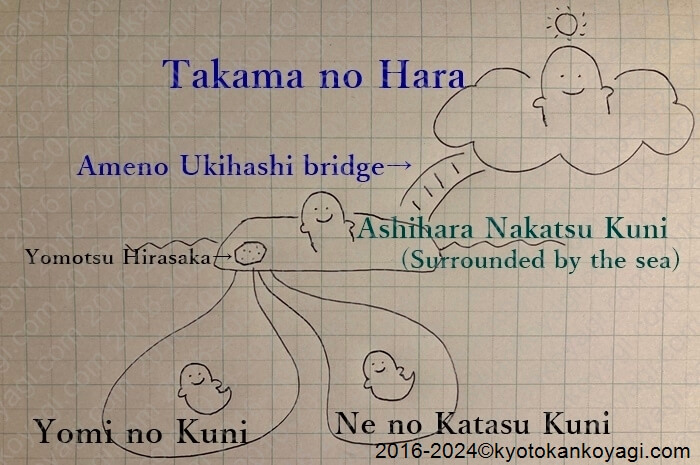
According to Japanese mythology, Amaterasu Ohomikami (天照大神) ordered Ninigi no Mikoto (瓊瓊杵尊) to rule Ashihara Nakatsu Kuni (葦原中津国), namely Japan. Ninigi no Mikoto is a grandson of Amaterasu Ohomikami and a great-grand father of emperor Jinmu, the first emperor of Japan.
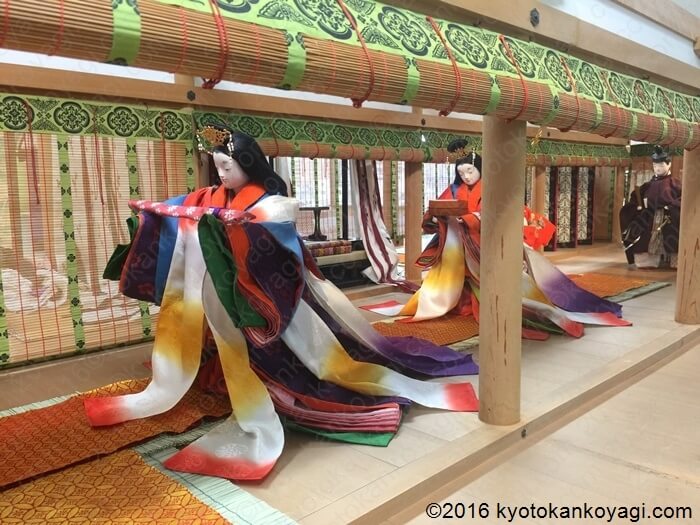
When he left Takama no Hara, she gave him the Imperial Regalia of Japan: Yatano Kagami (八咫鏡), Yasaka Ni no Magatama (八尺瓊勾玉), and Kusanagi no Tsurugi (草薙剣). We call them “三種の神器(Sansyu no Shinki/ Ginki)”, or the Three Sacred Treasures. Emperors inherited them from his predecessor when he was enthroned. (There are some exceptions. I’ll show you later.)
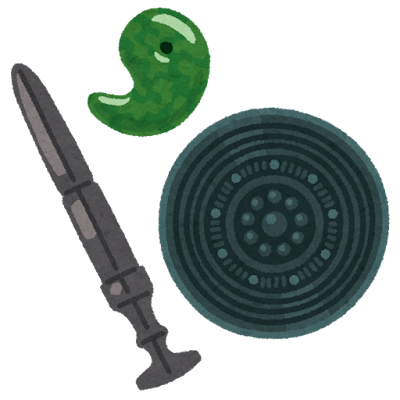
- Yata no Kagami (八咫鏡)・・・Mirror (Bottom, right)
- Yasakani no Magatama(八尺瓊勾玉)・・・Jewel (Top)
- Ame no Murakimo no Tsurugi(天叢雲剣)・・・Sword (Bottom, left)
The treasures are Goshintai individually. Goshintai is an object where Kami(s) stay. They used to be stored in the Imperial Court. As stated in Kogo Shui (古語拾遺), the historical record compiled in the 9th century, the mirror and sword were decided to be ehshrined in Ise shrine and Atsuta Jingu shrine individually In the 3rd century. At the time, Katashiro of these two treasures were made.
Katashiro is a kind of replica. They have the same spirit and sacredness as the authentic ones and plays the same role. They are treated as the authentic ones.
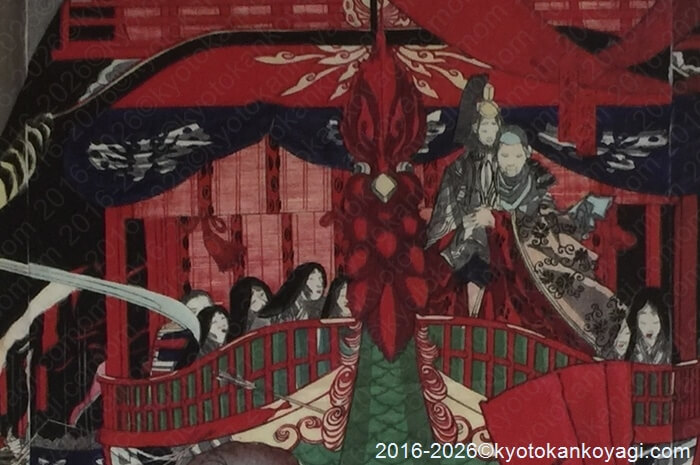
When Minamoto no Yoritomo ousted the Heishi from Kyoto. They escaped to the battle fields with emperor Antoku and the Katashiros. In 1185, at the downfall of the Heishi, they were sunk in Dan no Ura sea with the emperor. Samurais of Genji found boxes of the mirror and Jewel floating on the sea and Minamoto no Yoshitsune managed to retrieve them but the sword sunk in the sea.

Check this out.
The places they are stored today:
| Authentic one | Katashiro | |
| 八咫鏡(Yata no Kagami) | Ise shrine | Imperial Palace |
| 草薙剣(Kusanagi no Tsurugi) | Atsuta Jingu shrine | Imperial Palace |
| 八尺瓊勾玉(Yasakani no Magatama) | Imperial Palace | Not available |
Yata no Kagami 八咫鏡
One day, discourteous behaviors of Susanoh no Mikoto (素戔嗚尊) made Amaterasu made Ohomikami furious. She hided herself into a cave called Ame no Iwato/ Ama no Iwato and put a huge rock in front of it. She is a Kami (Shinto deity) of the sun and the world lost its light.
Other Kamis in Takama no Hara tried to lure Amaterasu out of the cave: They held a party. It made her curious about the circumstances outside. She moved the rock slightly. She glanced Ame no Uzume (天鈿女命) dancing indecently and heard the laughter of other Kamis. She was curious why they enjoyed it though there was no sunlight. This incident is called Iwato Gakure (岩戸隠れ).
She asked Ame no Uzume what was going on. She replied that they have a nobler Kami there. She opened the rock again to make sure who she was.
Then, two Kamis fetched a mirror hanging on a Sakaki tree and let her see it. She saw herself in the mirror and mistook herself as the Kami Ame no Uzume referred to. She tried to move the rock wider to make certain who she was.
All of a sudden, a Kami called Ame no Tajikarao (天手力男神) held her arm and pulled her out: The sun came back.
The mirror is Yatano Kagami. It was made of iron or copper. The Katashiro of them were burned into debris in 1040. It is considered that the debris is enshrined in the Imperial Palace today.

Check this out.
Kusanagi no Tsurugi 草薙剣
After Iwato Gakure, Susanoh was ousted from Takama no Hara due to his behavior. When he reached Ashihara Nakatsukuni and fought against a huge serpent with 8 heads and tails called Yamata no Orochi in order to save the life of Kushinada Hime, his future wife. When he defeated the serpent, he found a sword in one of the tails.
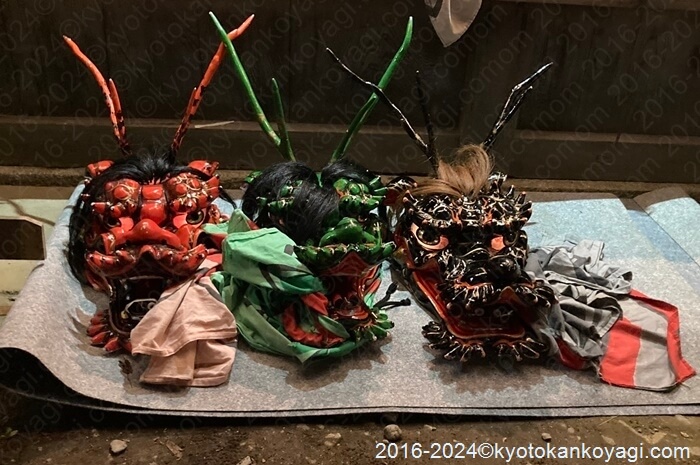
The serpent is a metaphor of a deity of water and the rivers of Izumo region that produced high-quality iron. Today, genuine Japanese sword must be made of the iron of Izumo.
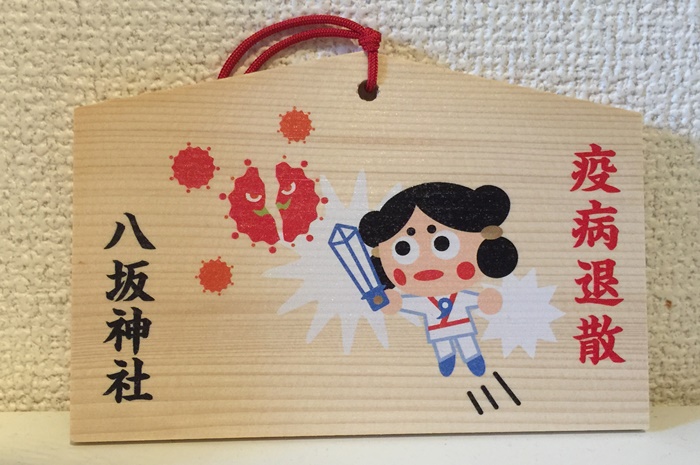
He presented the sword to Amaterasu Ohmikami and she gave it to Ninigi no Mikoto as Kusanagi no Tsurugi.
Check this out.
Yasaka Ni no Magatama 八尺瓊勾玉
Yasaka Ni no Magatama ornamented the Sakaki tree located near Ame no Iwato as Yata no Kagami did.
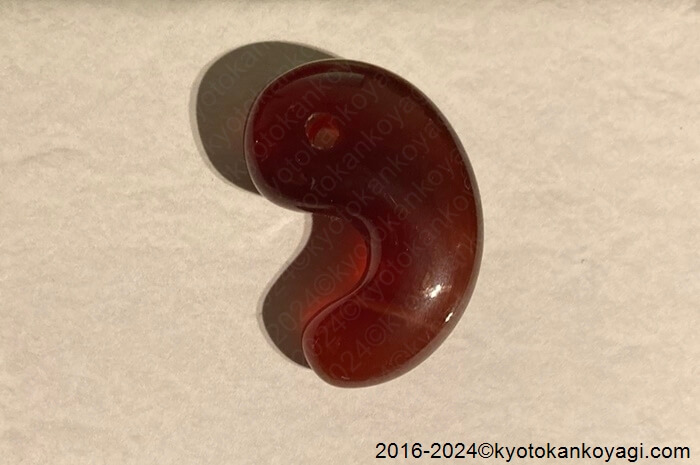
Generally speaking, Magatama looks like this. I suppose Yasaka ni no Magatma resemble it.
The legitimacy of the imperial line
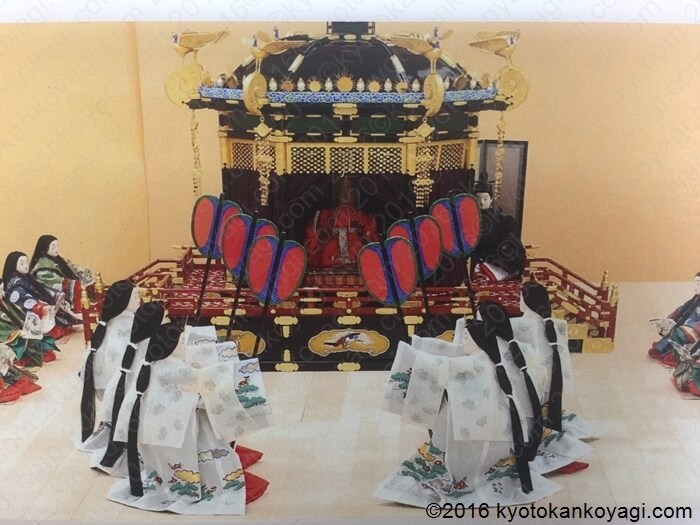
The tree treasures are legitimacy of the imperial line and Emperors inherited them from his predecessor when he was enthroned.
There were exceptions. In 1183, Emperor Gotoba was enthroned depending only on Senji instead of the treasures because they are with Emperor Antoku. Senji has several meaning and it means a permission in this case.
In the 14th century, the Imperial Court was divided into the Northern one and Southern one and three emperors were enthroned without the treasures.
They are the exceptions in over at least 1,600 years of the history of the Imperial line.
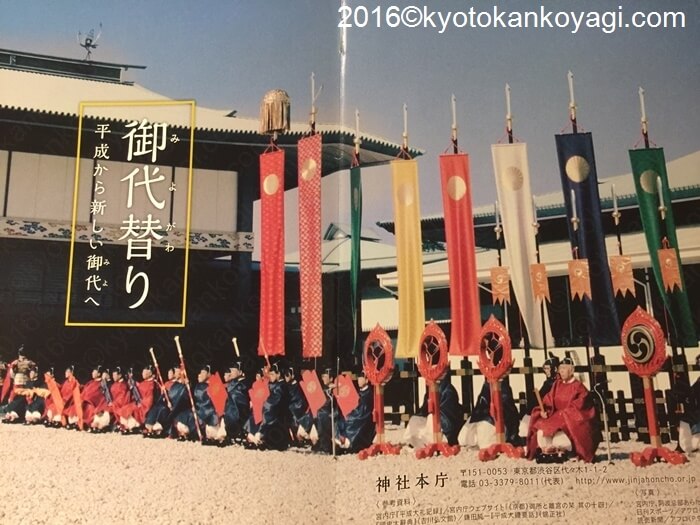
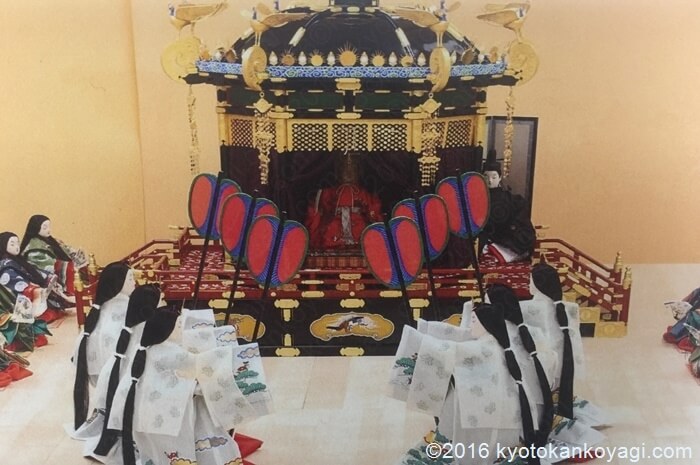
In 2019, Emperor Naruhito acceded his throne and inherited Kusanagi no Tsurugi and Yasaka ni no Magatama in Kenji Toh Shoukei no Gi ceremony and Yata no Kagami in Kashiko Dokoro Ohmae no Gi ceremony. 合掌
Check this out.