Japanese calendars
“We don’t have spring and fall these years,” we hear such conversations these years. Due to global warming, we lost these seasons about last 10 years but we have them this year fortunately.
In Japan, we have several ways to know the season we are in. Before 1872, the lunar calendar was used in Japan for centuries. In addition to it, the solar calendar was also used for agriculture.
In the solar calendar, a year is divided into 24 seasons called Niju Shi Sekki (二十四節気). Each Nijyu Shi Sekki has 3 seasons called Shichiju Ni Koh(七十二候).
Now we are in Soko (霜降) of Niju Shi Sekki and Momiji Tsuta Kibamu (楓蔦黄), the seaon, Koyo (紅葉) begins.
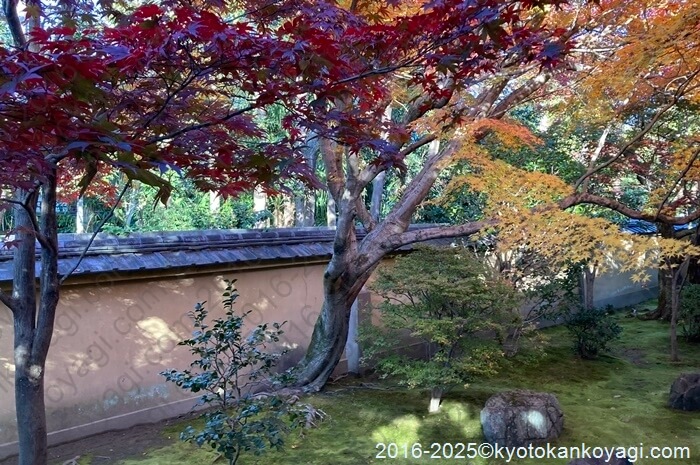
This is Koyo. It is known as “Autumn Leaves” but we call them “Koyo” instead.
In Kosame Tokidoki Furu (霎時施), the pervious Shichiju Ni Koh, the trees stop their photosynthesis and their leaves start changing colors usually in Kyoto.
Kosame Tokidoki Furu means that Shigure (時雨) falls someimes. Shigure means a rain that knows the time it falls. It is a gentle rain falls in a short period of time in spring and fall. When it falls, we feel a kind of warmth and relieved with no particular reason.
The day I shot the video, I took a shelter under the Sanmon gate.
Rain offers us a glimpse of the life in the hectic days. People, especially tourists, want to see autumn leave in Migoro, the best time to admire something, in many cases flora. I appreciate the idea. I want see them in the best time.
The life goes on minute by minute and the time and Migoro is one of the moments we have. Sooner or later, the rain goes away, the Migoro of the autumn leaves of the year goes away….
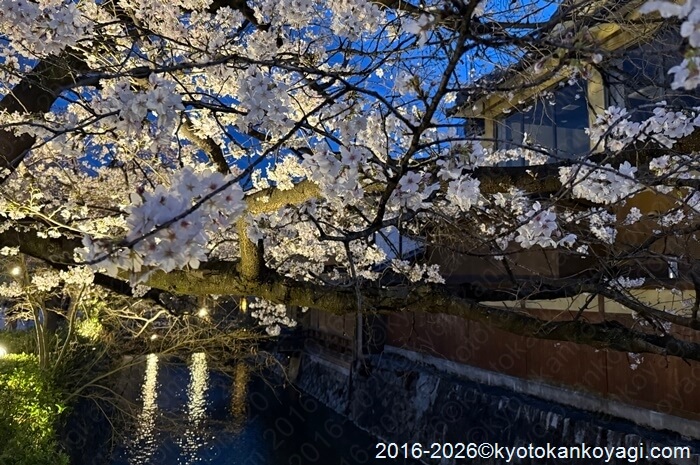
IDEST, nothing remains the same. That’s the way Japanese people feel when they admire Sakura, Autumn Leaves, etc. 合掌